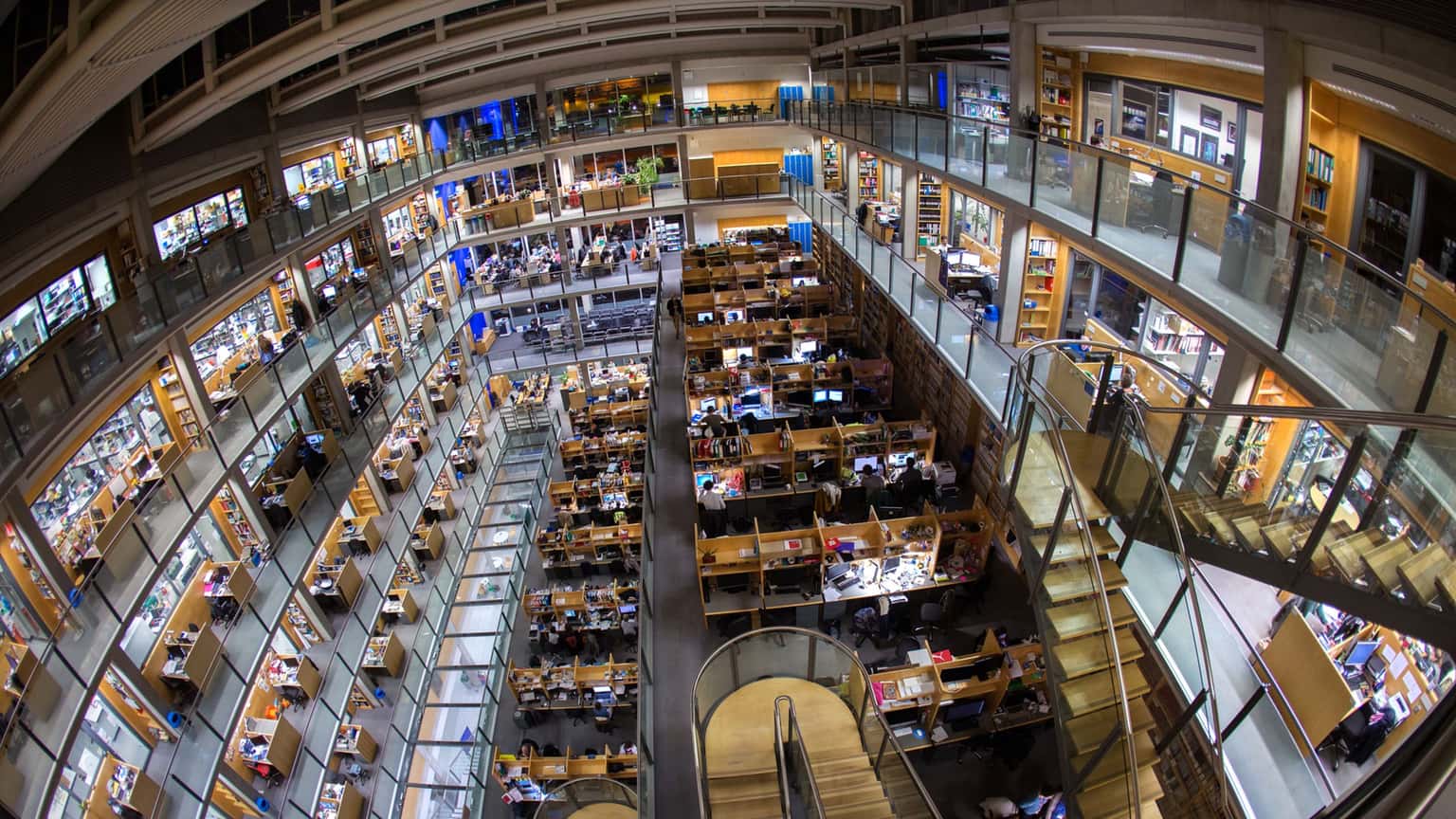
Seminar by Joshua Duffield on the seasonal cycle of surface temperature, part of the SPC Seminar series at Imperial College London.
Joshua Duffield is speaking at the Huxley Building on Tuesday 20 October, as part of the SPC Seminar series. He's a Research Assistant in Climate Dynamics at Imperial College London, and his talk is titled 'Seasonal cycle of surface temperature: insights from simple models'. It runs from 11.30 to 12.30 BST, so it's a lunchtime session rather than an evening one.
On the surface, it sounds like a niche bit of climate science, but the core of it is something most of us notice every year: the way temperature swings from winter to summer. Duffield is looking at the seasonal cycle of surface temperature, and he's doing it using simple models. The idea there is to strip away the noise and get a clearer look at the underlying mechanics—how the earth's surface holds and releases heat, and why that cycle behaves the way it does. If you've ever wondered why some seasons feel longer than others, or why the temperature doesn't just follow the sun's position exactly, this is that kind of territory.
It's part of the SPC Seminar series, which is open to everyone, not just people working in the department. That means you don't need to be a climate scientist to get your head around it; if you've got a general interest in how the planet works, you'll fit right in. Duffield himself is based right here at Imperial, so he's talking on his own turf.
Every week we pick 🏆 the 5 best 🏆 things to do in London and send them to your inbox. Just one weekly email, no spam.
By submitting your email, you accept our Privacy Policy
The talk is in room 711c of the Huxley Building on the South Kensington Campus. It's free to attend, but places are allocated on a first-come, first-served basis, so if you're keen, it's worth getting there a bit early to make sure you get a seat. 11.30 to 12.30 on Tuesday 20 October, free entry, first come first served.
Date
Tuesday, 20 October 2026
11:30
Price
Free
Recommended Age
+18 years