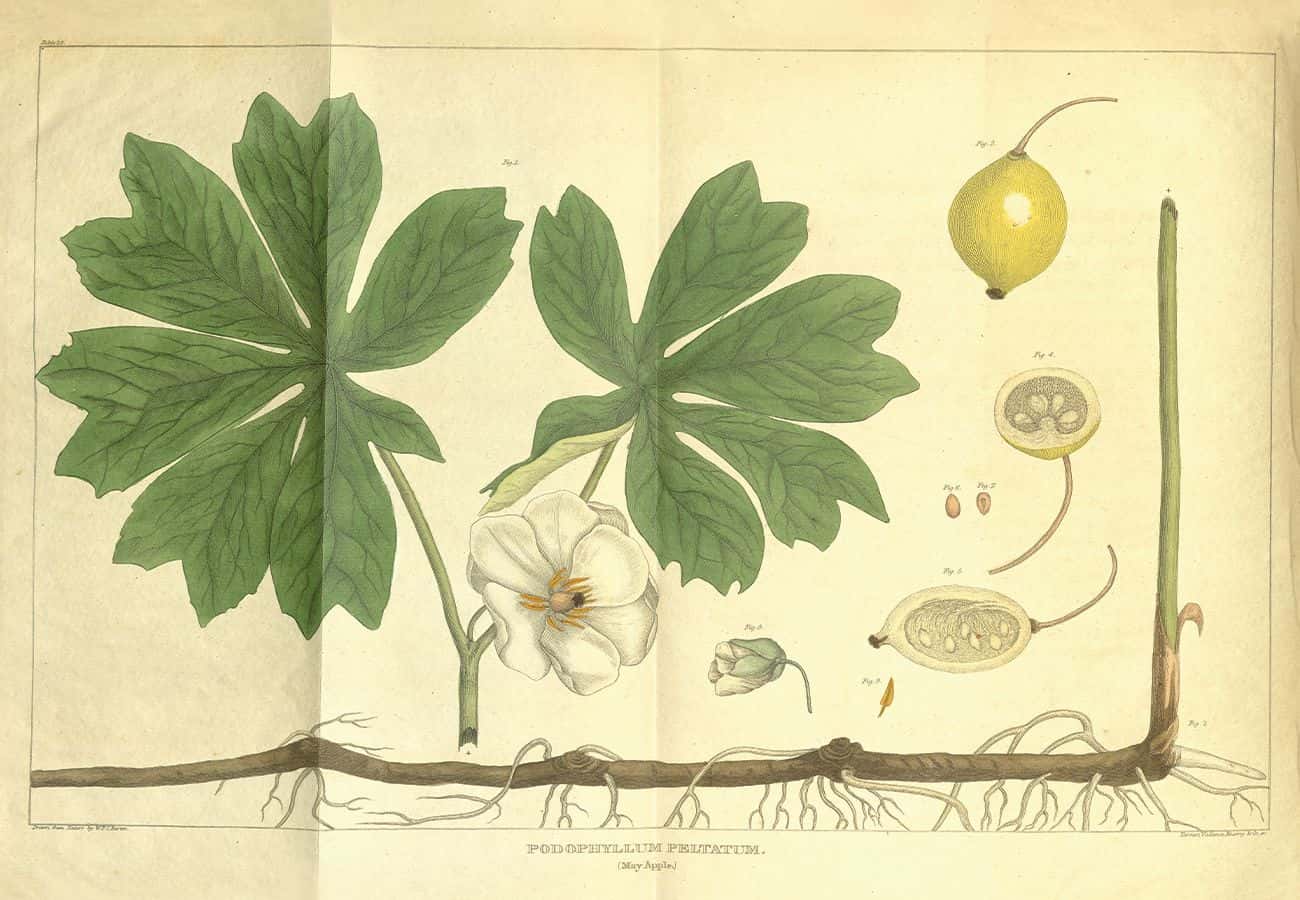
Exhibition at the Mütter Museum on the origins of American pharmacy and botanical medicine, from the Linnaean revolution to the first U.S. pharmacopoeia.
Revolutionary Botany is on view at the Mütter Museum through December 31, 2026, in the Gross Gallery at 19 S. 22nd Street. It's a look at the origins of American pharmacy and botanical medicine, with Philadelphia framed as the birthplace of America and the College of Physicians as the birthplace of American medicine.
The exhibition traces a line from Carl Linnaeus's 1735 naming system—the "Linnaean revolution" that transformed botany and medical practice—to The Pharmacopoeia of the United States of America (1820), the first collection of recommended medicines published in the United States. Nearly half of the plants in that first volume had first been used by Native American healers. That shift also helped pharmacy become a discipline separate from medicine.
Two figures from the College of Physicians get a close look here: Benjamin Smith Barton and his nephew William Paul Crillon Barton. They're recognized for bringing plant knowledge from Indigenous healers into the National Materia Medica; Benjamin also taught Meriwether Lewis. On display are a handwritten commonplace book from around 1730, which includes a recipe for treating "dullness of the head," and the College of Physicians' handwritten minutes from 1819. Curator Meredith Sellers describes a colonial pharmacopoeia as "WebMD in the colonial era."
Every week we pick 🏆 the 5 best 🏆 things to do in Philadelphia and send them to your inbox. Just one weekly email, no spam.
By submitting your email, you accept our Privacy Policy
Admission is $25 for adults, which is included with a Mütter Museum ticket. The exhibition runs through December 31, 2026, at 19 S. 22nd Street in Philadelphia.