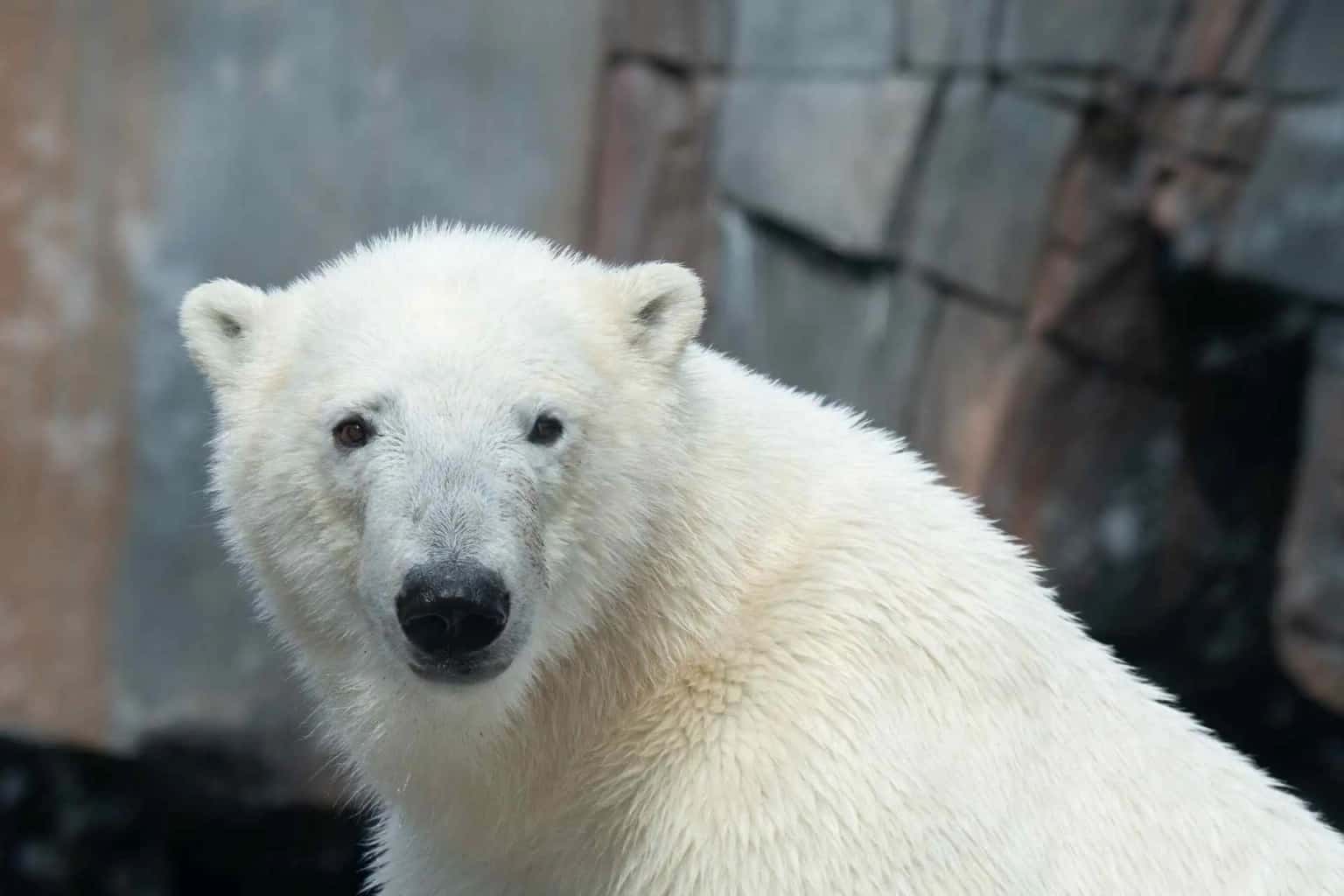
The St. Louis Zoo announced on October 15 that it will welcome a new female polar bear this fall, a move that is part of a national effort to support the species' future. The bear is a five-year-old named Laerke, pronounced LAIR-keh, and she comes from the Point Defiance Zoo & Aquarium in Tacoma, Washington. Her history is a bit unusual: she was born at the Detroit Zoo in November 2020 and had medical complications shortly after birth that required intensive care and hand-raising by humans. At nine months old, she was paired with an orphaned grizzly bear cub to help her develop social skills. She met her twin sister Astra at age two, and the two were moved together to Point Defiance in 2023. Over the past year, veterinarians have been monitoring her hormone levels, and the results show she has begun reproductive cycling.
Every week we pick 🏆 the 5 best 🏆 things to do in St. Louis and send them to your inbox. Just one weekly email, no spam.
By submitting your email, you accept our Privacy Policy
Laerke will be paired with Kallu, a nearly four-year-old male already at the zoo. Kallu and his twin brother Kallik were born at the Toledo Zoo & Aquarium on November 11, 2022, and moved to St. Louis in March 2025. Kallu now weighs more than 920 pounds. When the brothers reached the age to seek more independence, Kallik moved to the Oregon Zoo in January 2026. This pairing is part of the Polar Bear Population Alliance, a consortium of accredited zoos and aquariums working to maintain a sustainable, genetically diverse polar bear population in the United States, with the goal that the pair will produce cubs in the future.
The bears will live at McDonnell Polar Bear Point, a 40,000-square-foot habitat that opened to the public on Saturday, June 6, 2015. It is modeled after the Arctic and transitions from sea to coastline to land. The Sea is an arctic cave room with a large glass viewing wall overlooking a 50,000-gallon Polar Dive Pool. The Coast features carved rock made to look like it was formed by glaciers, with a panoramic view through nine curved, faceted glass panels spanning 55 feet looking out over Bear Beach. The Tundra is a grassy interaction area where visitors can watch bear behavior up close at a glass and mesh door while keepers offer enrichment or training, set within a seven-panel, 48-foot curved panoramic glass wall. There is also a new gift shop called Bear Market with bear-themed items.
Do not expect to see them together immediately. Visitors likely will not be able to see the bears sharing the exhibit until early next year, as they will be acclimated to each other with a protective mesh barrier first. If either bear seems scared, staff will slow the process. If Laerke eventually goes into her den, Kallu will be separated from her, since males are not usually part of young cubs' lives, and the mother and offspring would stay together for about two years.
The context behind the effort is stark. Polar bears are listed as threatened under the U.S. Endangered Species Act, largely because climate change is reducing Arctic sea ice and making it harder for them to find prey. They were the first species to be listed as threatened under the act, and recent research suggests up to two-thirds of the global polar bear population could disappear by the end of this century. Julie Hartell-DeNardo, curator of carnivores at the St. Louis Zoo, said, "Polar bears are facing serious challenges to their survival. Polar bears in zoos not only inspire connection and conservation action, they also play a valuable role in helping experts understand their species' biology and behaviors."
Published Date
16 October 2026
More information