Exhibition of over 250 African artworks from 1956 to 1982, showing art as a vehicle for decolonization and independence.
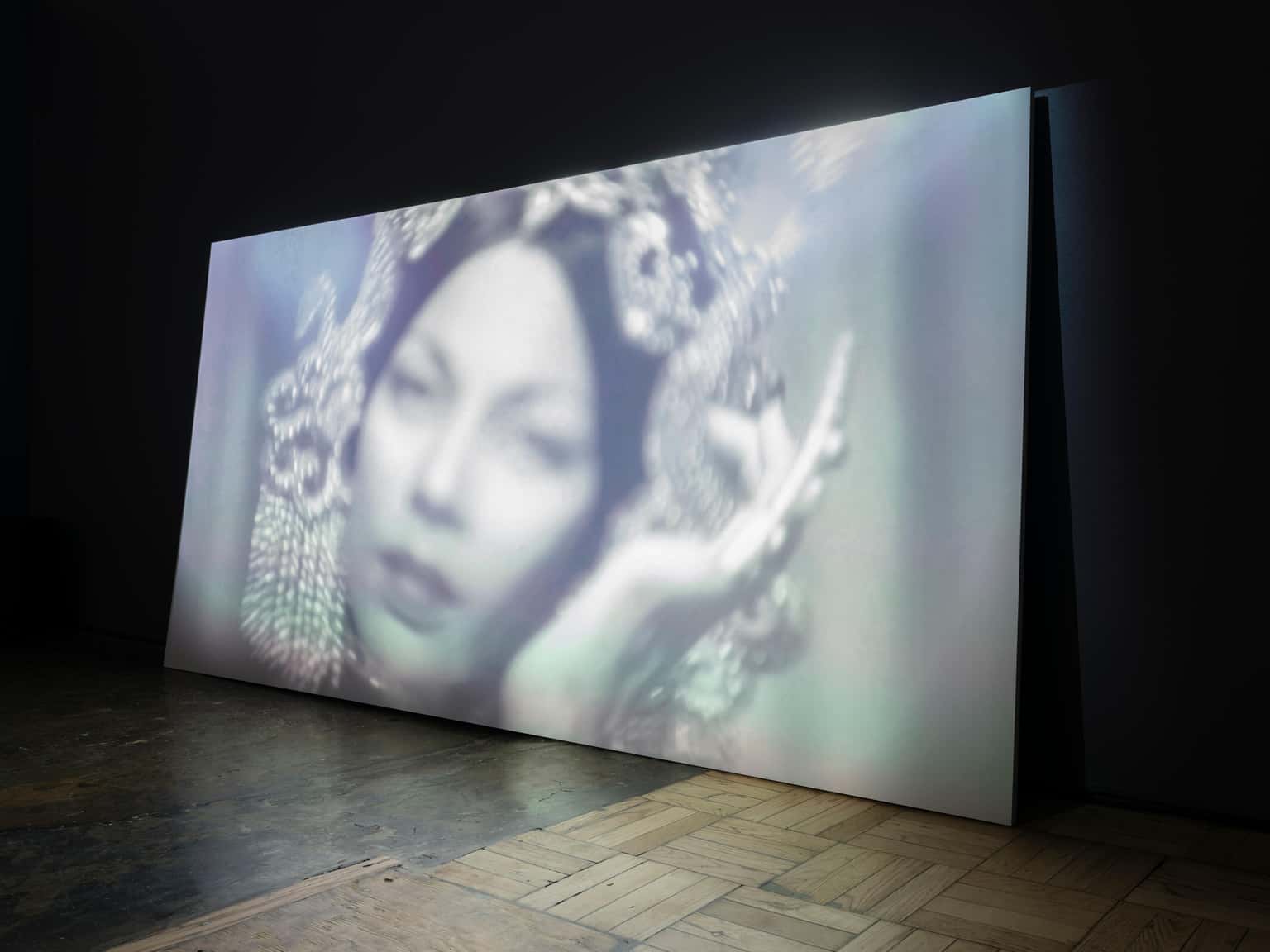
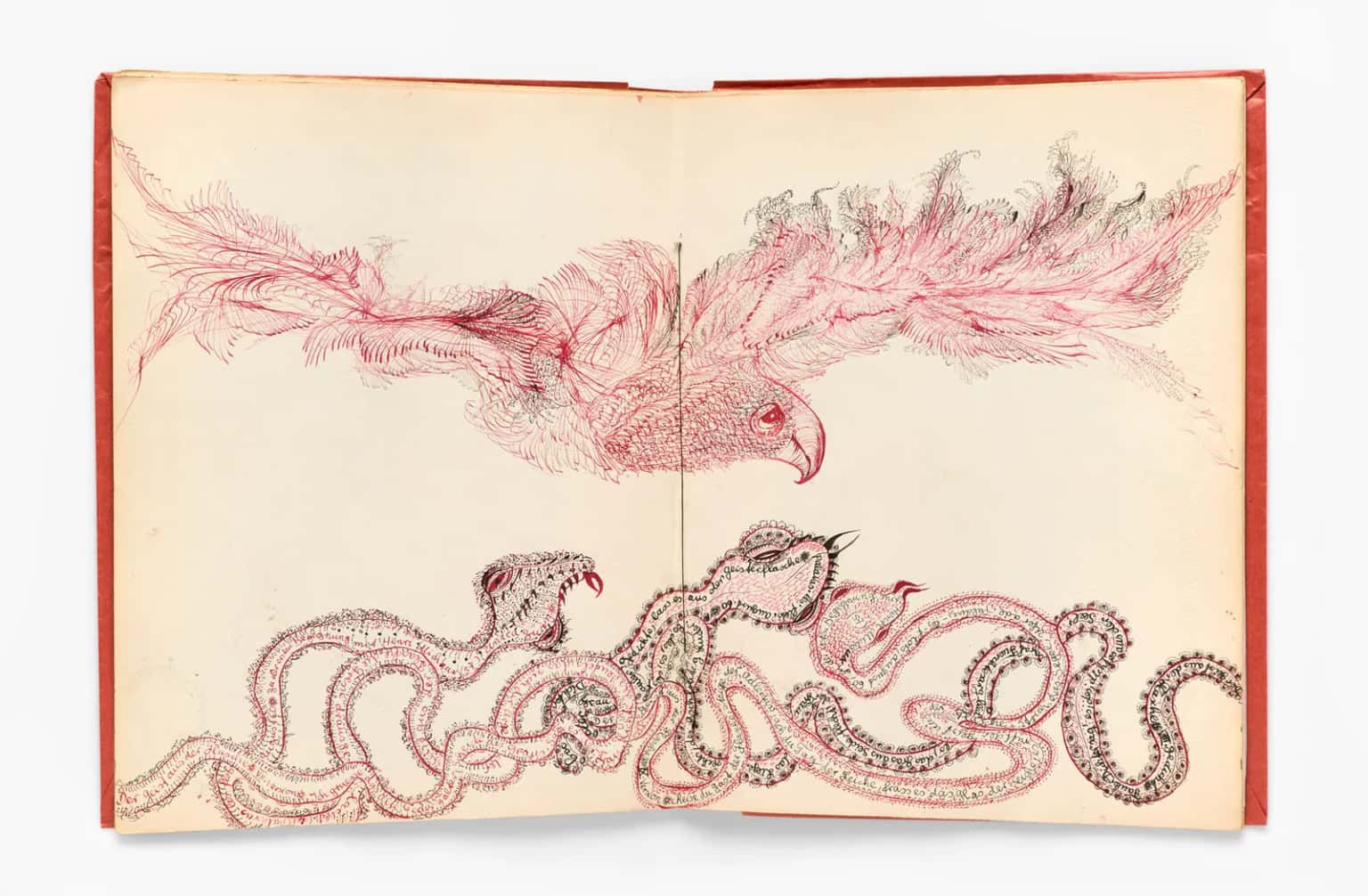
Freedom and Futures: Emancipatory Art in Africa, 1956–1982 opens at MoMA on May 2, 2027, and runs through August 14. It's a major survey of African art from a specific, high-stakes window: 1956 to 1982, the years when 45 African nations transitioned from colonial rule to independence. The exhibition brings together more than 250 works—painting, sculpture, photography, film, tapestry, and printmaking—to show how artists across the continent used modern art as a tool for decolonization.
At the center of the show is the idea of "emancipatory art," a framework for how these artists gave aesthetic form to the process of breaking free. The organizers describe it as an "emancipatory modernism" that treats decolonization as an ongoing effort rather than a finished event. The exhibition is anchored by the era's landmark transnational gatherings: the First Congress of Black Writers and Artists in Paris in 1956 and the Second in Rome in 1959, followed by five festivals in Zimbabwe, Senegal, Algeria, Nigeria, and South Africa between 1962 and 1982.
Among the artists on view are Mohammed Khadda, Uche Okeke, Valente Malangatana, and Iba N'Diaye. The scale of the show is substantial, with over 250 objects, about 40 of which come from MoMA's own collection. It's the third in a series of MoMA exhibitions on mid-century Africa that grew out of C-MAP Africa, the museum's research group founded in 2009.
Every week we pick 🏆 the 5 best 🏆 things to do in New York City and send them to your inbox. Just one weekly email, no spam.
By submitting your email, you accept our Privacy Policy
Ugochukwu-Smooth C. Nzewi organized the exhibition with Erica DiBenedetto. It runs from May 2 through August 14, 2027, at The Museum of Modern Art in New York.