Coventry does not come up first when people think of the Gunpowder Plot. That honour goes to the cellars of the House of Lords, where Guy Fawkes was caught with 36 barrels of gunpowder on the night of 4 November 1605, days before the conspirators planned to blow up Parliament and kill King James I. But the plot was never just about a single building in London; it was built on a wider plan to install a Catholic queen, and that is where Coventry comes in.
Every week we pick 🏆 the 5 best 🏆 things to do in Coventry and send them to your inbox. Just one weekly email, no spam.
By submitting your email, you accept our Privacy Policy
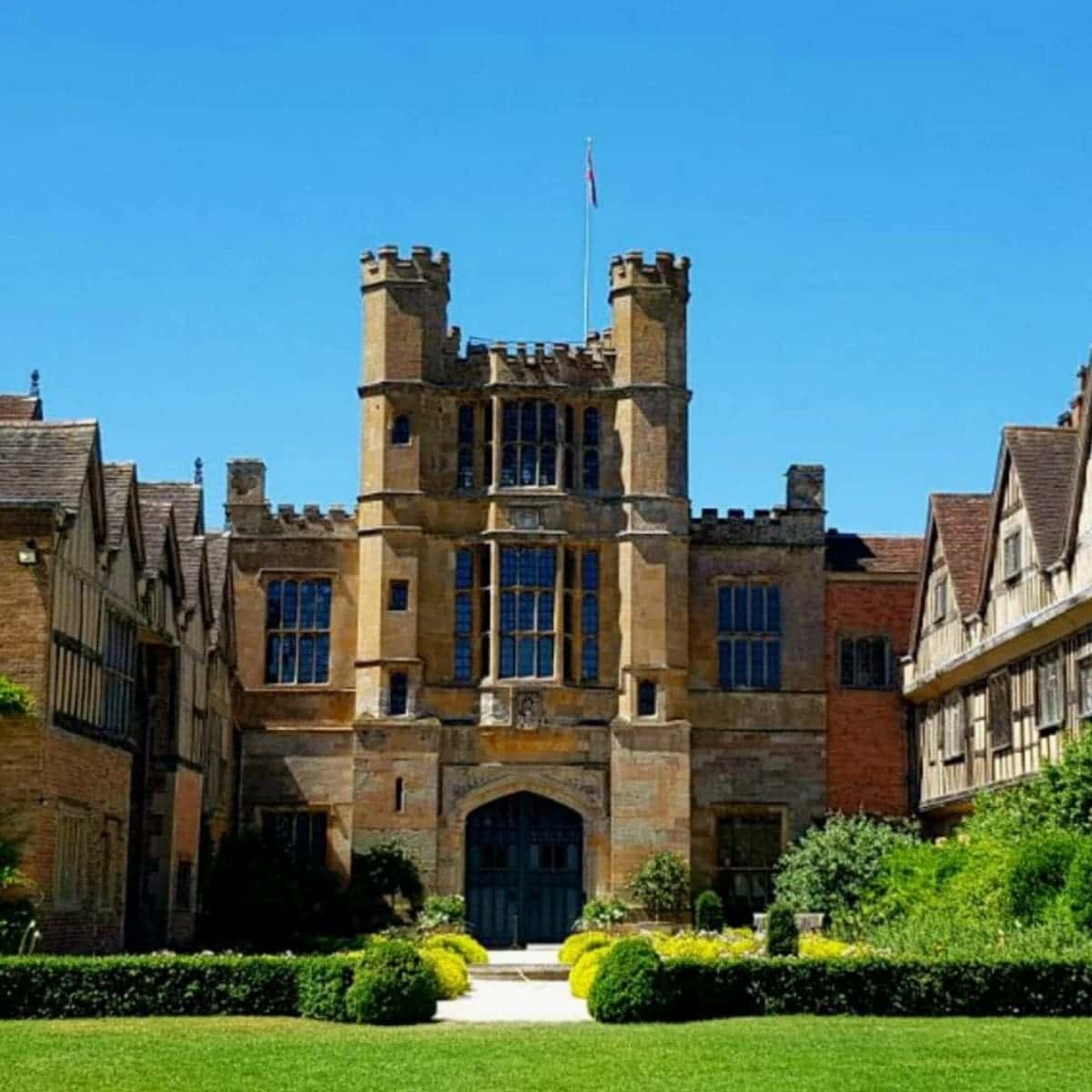
The conspirators' end game was the nine-year-old Princess Elizabeth, the King's daughter. The plan was to kidnap her and indoctrinate her in the Catholic faith, and for a time she was living at Coombe Abbey, under the supervision of John Harrington, one of James I's close friends. Once the plot was foiled, the conspirators intended to move her from the abbey and inside the walls of Coventry. The Bull Inn on Smithford Street was one of the meeting places the plotters used, so the city was meant to be the secure base for their new puppet queen.
Coombe Abbey itself is a Grade I building with a long history. It began in 1150 as the Abbey of Cumbe, was bought by John Harrington in 1581, and Princess Elizabeth lived there from 1603 to 1608. The estate changed hands in 1622, when Elizabeth, Lady Craven, bought it for £36,000, and Coventry City Council took ownership in 1964. The hotel opened in 1995 and now has 121 rooms, along with mediaeval banquets and afternoon tea, so it is an easy place to visit and take in the history.
If you want to follow the plot further across Warwickshire, there are several other sites to see. Ashby St Ledgers Manor House was the main Catesby family home, and it was there that Robert Catesby, the man who conceived and financed much of the plot, got news of its failure on the morning of 5 November. In Dunchurch, the conspirators waited for news at the former Red Lion Inn, now known as Guy Fawkes House. Coughton Court in Alcester was where the conspirators' wives waited on the night of 5 November, and where Catesby had placed Sir Everard Digby and a group of Jesuit priests. Baddesley Clinton was a key centre for the recusant Catholic network, with priest holes built in the 1590s that could hide up to twelve priests, including Father Henry Garnet.
The aftermath was bloody. On the night of 7 November, a spark ignited wet gunpowder at Holbeche House, killing or injuring several conspirators. The following day, the High Sheriff of Worcestershire besieged the house, and both Catesby and Percy were killed in the fight. The survivors, Fawkes among them, were hanged, drawn and quartered on 30 and 31 January 1606, and Henry Garnet was executed on 3 May. Catesby died on 8 November 1605 from a gunshot wound, and Fawkes was tried for high treason in Westminster Hall on 27 January before his execution. The whole thing is still marked every 5 November as Guy Fawkes Night, and Historic England's exhibition 'The Romance of the Gunpowder Plot' uses photographs from 1912 to document the homes and meeting points the conspirators left behind.
Published Date
8 November 2026