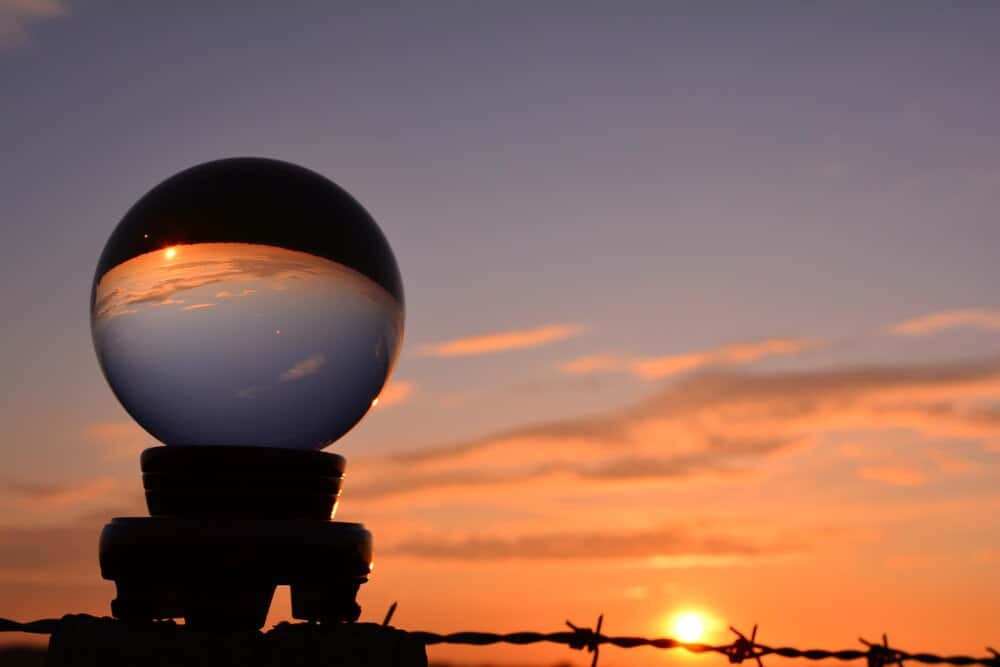
On Wednesday, 12 August 2026, Dorset skies will experience a rare astronomical phenomenon as an exceptional partial solar eclipse takes over the late afternoon light. The event is set to begin around 6.17pm, reaching its peak shortly after 7.13pm and concluding near 8.06pm. While the path of total darkness crosses Greenland, Iceland, and northern Spain, the UK sits just outside this line, giving us a deep partial eclipse where approximately 90% to 91% of the Sun will be covered. As the eclipsed Sun sinks lower towards the horizon, it will cast a distinct twilight atmospheric effect across our coast, marking the deepest eclipse coverage seen in local skies since 1999.
Every week we pick 🏆 the 5 best 🏆 things to do in Bournemouth and send them to your inbox. Just one weekly email, no spam.
By submitting your email, you accept our Privacy Policy
Finding an uninterrupted view facing west and southwest is key to taking in the view as the Sun sets. High coastal vantage points around Bournemouth provide some of the clearest sightlines. East Cliff and Boscombe Overcliff Path both offer elevated positions looking out across the bay, making them ideal spots to gather before the peak hits. Southbourne Beach, accessible through the Fisherman's Walk nature trail, gives you wide open sea views right from the shoreline. Further along the coastline, Hengistbury Head offers panoramic views across the headland. For those who prefer to be out on the water, Coastal Cruises in Poole is operating a dedicated Sunset Solar Eclipse Cruise departing Poole Quay at 6.00pm and returning at 8.00pm.
Eye safety remains essential throughout the duration of a partial eclipse. Looking straight at the Sun without proper protection can cause lasting eye damage, and everyday sunglasses are not sufficient. Anyone watching from the beach or cliffs must use certified solar eclipse glasses or filters meeting the ISO 12312-2 safety standard. The same rule applies to optical equipment; cameras, binoculars, and telescopes require specialized solar filters mounted directly onto the front lenses to be used safely. If you prefer to watch from home or want expert commentary alongside the view, the Royal Observatory Greenwich is broadcasting a live stream hosted by Dr Greg Brown across its YouTube and Facebook pages from 6.10pm to 8.00pm.
Astronomical sights won't end once the Sun finishes setting. The evening of 12 August also coincides with the peak of the annual Perseids meteor shower, which reaches its maximum intensity through the night of 12 to 13 August. Staying out along quieter stretches of the Dorset coast after dark gives stargazers a great opportunity to catch shooting stars once the eclipse transitions into night.
Published Date
2 August 2026