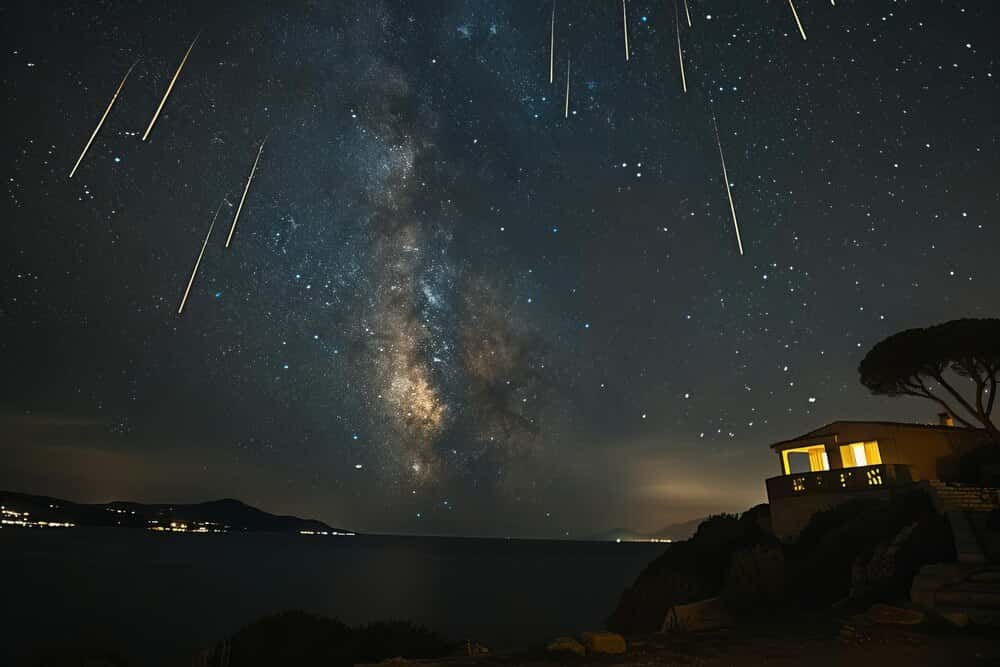
If you like looking up on a clear night, the Orionid meteor shower is worth keeping an eye on this week. The shower runs from 2 October to 7 November, and according to Royal Museums Greenwich, its peak falls on the night of Wednesday 21 October, running into the early hours of the 22nd. The meteors are bits of debris left behind by Halley's Comet. They hit the atmosphere at around 41 miles per second and burn up quickly, and under good conditions you might see 10 to 20 an hour at the peak. They seem to fan out from the constellation of Orion, a little above and to the left of the reddish star Betelgeuse, which is where the name comes from.
Every week we pick 🏆 the 5 best 🏆 things to do in Bournemouth and send them to your inbox. Just one weekly email, no spam.
By submitting your email, you accept our Privacy Policy
The moon is a bit of a spoiler this year. On 21 October it will be in its waxing gibbous phase, so its light will wash out some of the fainter streaks, while the full moon arrives around 25 or 26 October. The brighter meteors should still show up, especially if you get away from town. For Bournemouth folk, Hengistbury Head is the obvious choice. It is a headland just east of Bournemouth Beach Lodges, and people have been looking at the sky from there for more than 12,000 years. The open coastline is well away from street lights, which is exactly what you want. The Beach Lodges are also a good spot on a clear night, just to the west of the headland. You won't need a telescope for any of this. The weather looks mixed: BBC Weather expects the rain to clear away early on Wednesday night, leaving clear spells for most areas, but things turn wetter and windier later in the week, so check the forecast before you set off.
Once you're out there, give your eyes time to adjust. Sources suggest somewhere between 10 and 20 minutes, so get comfortable and resist the urge to check your phone. A red torch helps you keep that night vision if you need to look at a map or star chart. Start by finding north, then locate the Pole Star, which you can see all year round. Look north on a clear night and you'll spot the Plough, and from there you can work out the other directions. High in the south east you should be able to see the Square of Pegasus, and the Summer Triangle, made up of Vega, Deneb and Altair, stays visible well into autumn. If you spot moving lights that don't flicker, they are probably satellites, which are easiest to see in the first two or three hours after sunset. The skies are at their darkest from about two hours after sunset until about two hours before sunrise. Local stargazing expert 'Starman' Richard suggests binoculars if you want a closer look at the Moon or at the colours of the stars, though they are not needed for the meteors themselves.
If you'd rather go along with a group, there are organised options. Hengistbury Head runs stargazing events throughout the year, and details are listed on visithengistburyhead.co.uk. The Parks Foundation also runs stargazing and planet hunting sessions within its parks in Bournemouth, Poole and Christchurch, led by an astronomer. Either way, a warm coat, a hot drink and a bit of patience will go a long way on an autumn night.
Published Date
19 October 2026
More information