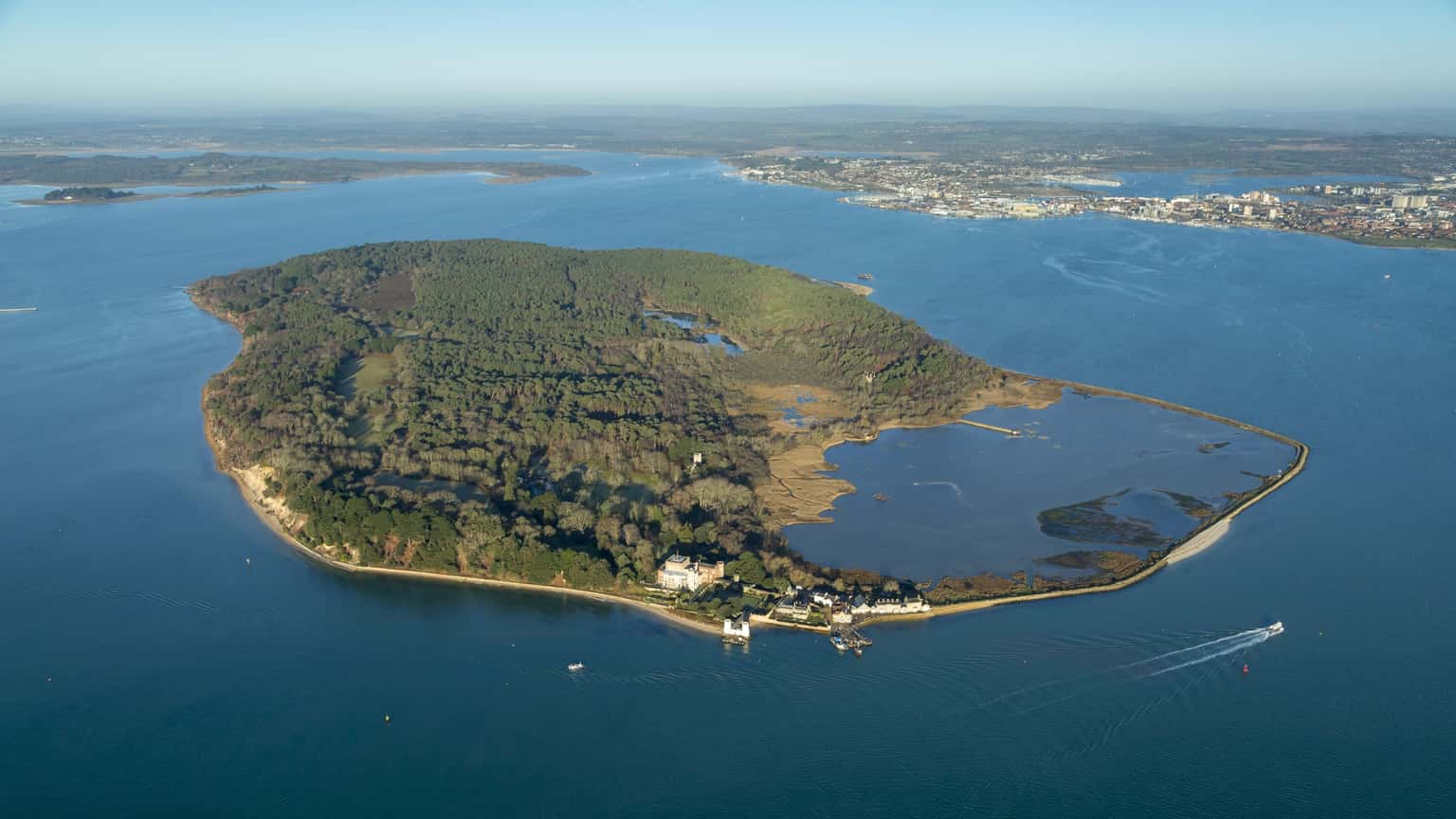
Brownsea Island is the largest historic island in Poole Harbour, and it's about to open its gates for a free community open day. It's a National Trust property and a Site of Special Scientific Interest, best known as the birthplace of the Scouting and Guiding movement, and the day lets you take in its nature and history without the usual ferry cost. The island runs to about a mile and a half long by three-quarters of a mile wide, with 500 acres of woodland, heath and salt marsh to cover.
Every week we pick 🏆 the 5 best 🏆 things to do in Bournemouth and send them to your inbox. Just one weekly email, no spam.
By submitting your email, you accept our Privacy Policy
Getting there is the part worth knowing. The island is reached by foot ferry from Poole Quay, run by Greenslade Pleasure Boats, and the crossing takes roughly twenty minutes. The ferry runs daily from 10am to 5pm, with the last boat back to Poole leaving at 5pm. During the peak school holidays, ferries leave Poole every half hour except at 1pm, and off-peak it's once an hour with the same 1pm gap. Tickets are first-come, first-served, so there's no need to book unless you're a group of 15 or more. The embarkation point is the Orange Kiosk of Greenslade at Poole Quay, opposite the Tesco Express, BH15 1HJ. For wheelchair access, there's a Tramper all-terrain wheelchair and a Seahorse landing craft, both of which need booking, and only guide dogs are allowed on the island.
Once you're across, there's plenty to fill the day. There's a visitor centre, a museum, a shop, a café and a Scout camp shop, plus a holiday cottage on the wharf and an outdoor centre. A free shuttle bus runs tours around the island, and there's a BSL self-guided trail for a slower look round. One thing to keep in mind: the island is 'bin free', so you'll need to take your rubbish home with you. The wildlife is a big draw, too. The sheltered woodland is one of the few places in southern England where native red squirrels still survive, and the island is a birdwatcher's paradise, with common and sandwich terns, kingfishers and waders like dunlins and oystercatchers. New for 2025 is The Fine Foundation Lookout, a wildlife observatory looking over the lagoon.
Ownership is split a little, which is worth knowing if you're planning a proper wander. The National Trust owns the whole island except the church and a few buildings let to third parties, and the northern half is managed by the Dorset Wildlife Trust as a nature reserve. A small part in the southeast, Brownsea Castle included, is let to the John Lewis Partnership as a holiday hotel for staff and isn't open to the public. The DWT area takes both members and non-members, but DWT members still pay the National Trust admission fee to explore the Trust's half. Groups of more than 15 need to book entry to the DWT lake and wetland area.
For a bit of background, the first records of people living here go back to the 9th century, and in 1907 Robert Baden-Powell set up an experimental camp with 21 boys, which gave Scouting its start. The National Trust bought the island in 1963 and opened it to the public on Wednesday 15 May that year, and since 1964 it's put on a Brownsea Open Air Theatre production of Shakespeare every summer.
Published Date
31 August 2026
More information